ProQuest Ebook Central eReader
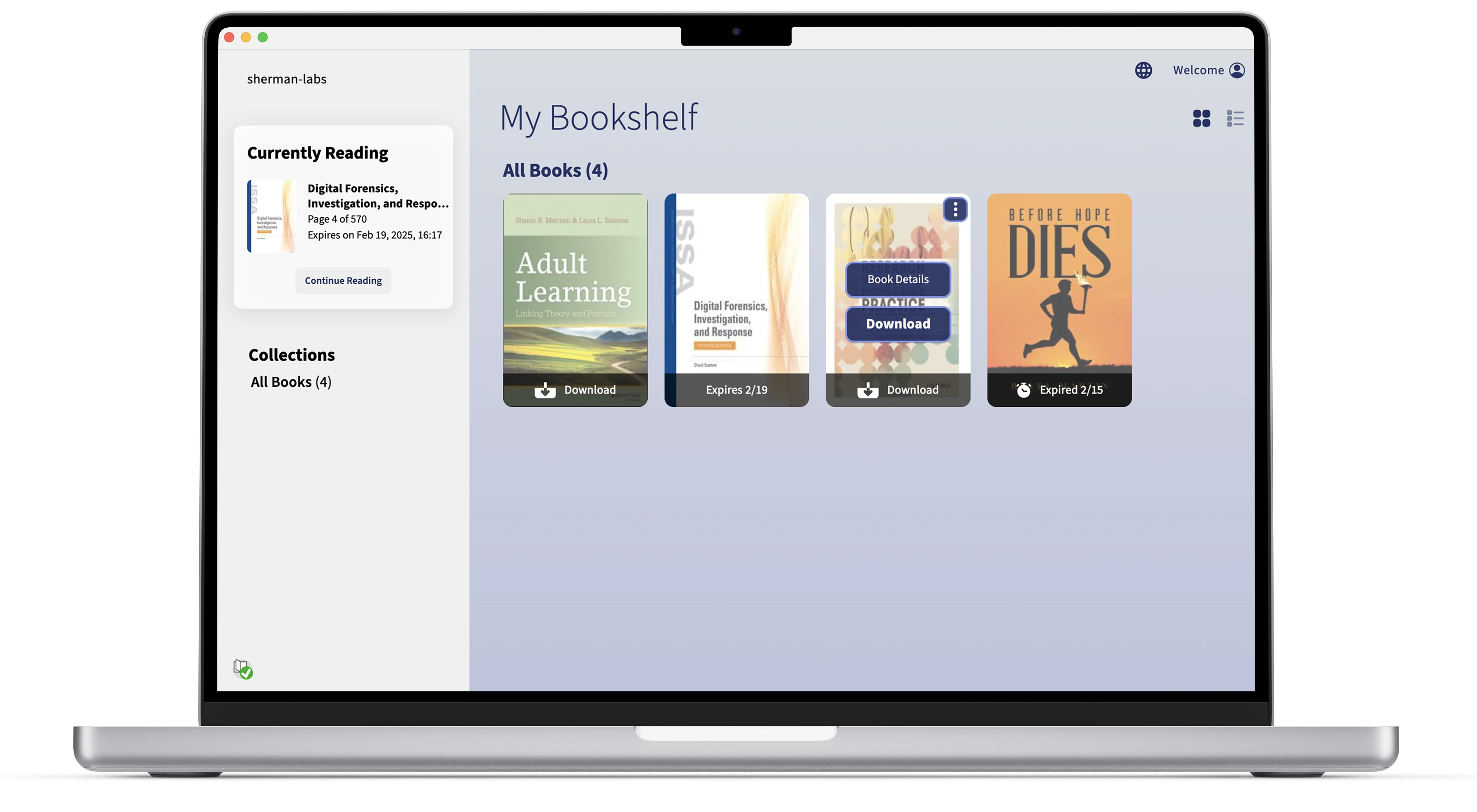
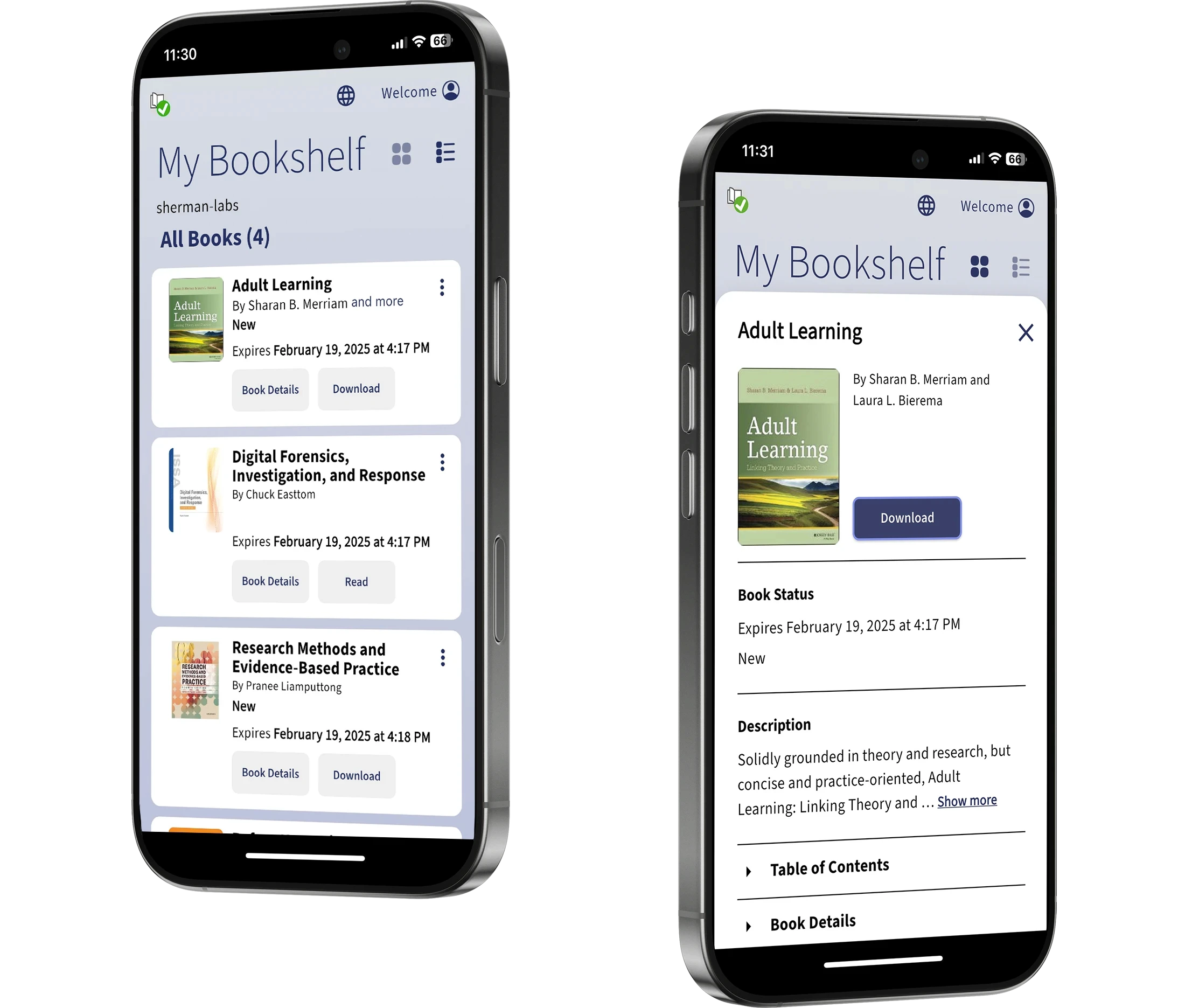
The ProQuest Ebook Central app was built to compliment the Ebook Central website so users can read ebooks with greater security, mobility and accessibility.
Overview
Patrons of Ebook Central had to use a 3rd party ebook reader to read on their books outside of the web platform. That 3rd party app had security flaws that made pirating ebooks possible, causing a loss in revenue. The goal was to create an all-new ebook reader app in-house that worked as an extension of the Ebook Central web platform, but provided higher levels of security to prevent piracy.

The User
Patrons of the Ebook Central web platform for borrowing and reading ebooks.
My Role
As part of a two designer team, I performed:
• Competitor Analysis
• Assisted in User Research
• UX Design
• Clickable Prototypes in Figma
• Accessibility Audit
The Solution
Build an app in-house that works as an extension of the Ebook Central online platform
Improve the user experience for reading ebooks
Increase security of ebooks to prevent piracy
Competitor Analysis
I reviewed some of the top ereader apps to understand what features users might expect, as well as what I felt was missing.

Research and Refinement
User research was performed on the initial design, and some areas that needed improvement came to light. I asked each participant to rank the tasks and processes they were asked to do from 1 to 7, with 7 being the easiest, or most favorable. Three rounds of testing were performed in total.

Users had to register and link their app to their Ebook Central account. To do that, they needed to log into their account and generate a code. Testers were having a hard time figuring out where to get the code at first.
Solution: First, I rewrote the copy on the registration page to be shorter and more direct, then I improved the layout of the Profile page on Ebook Central to be cleaner and easier to read (far right).

Some users also showed some confusion with the difference between removing a book from a collection and deleting the media from their device. In wanting to keep the menu text to a minimum, we simply listed "Remove" and "Delete" in the contextual menu at first, which showed to be a mistake.
Solution: Adding a full phrase so they read "Remove from Collection" and Delete Download" (far right) proved to test much better in following tests.

Key Features
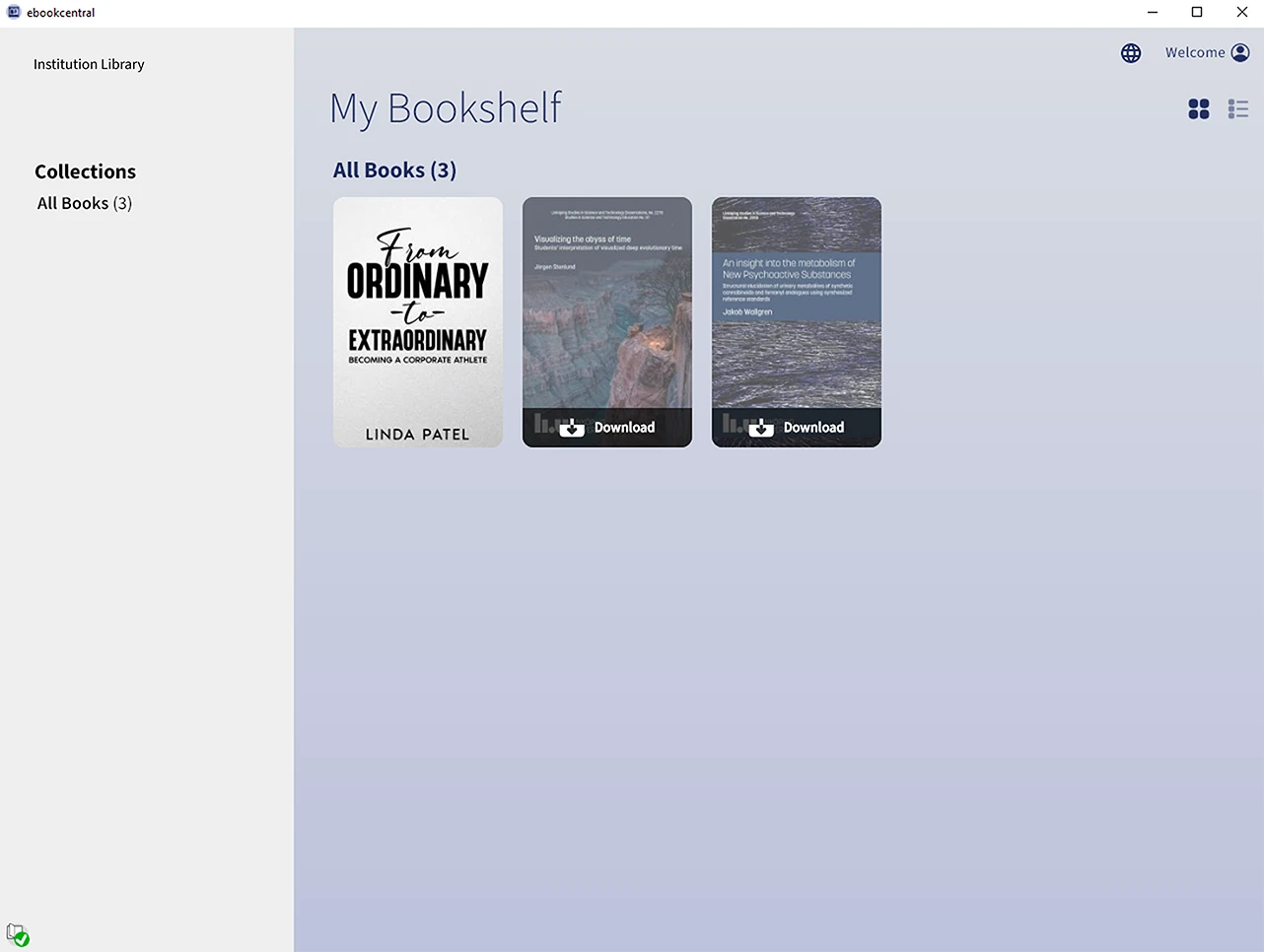
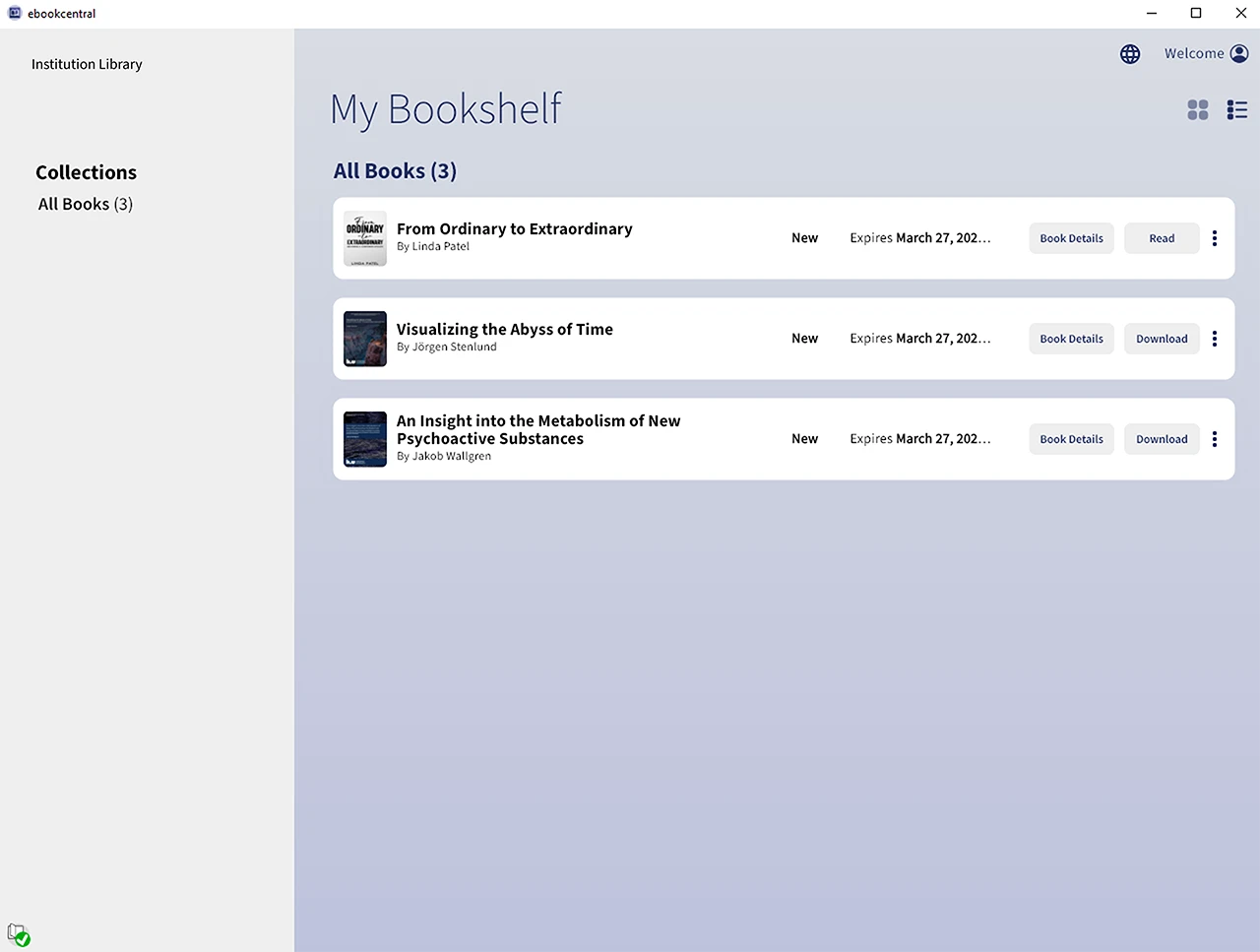
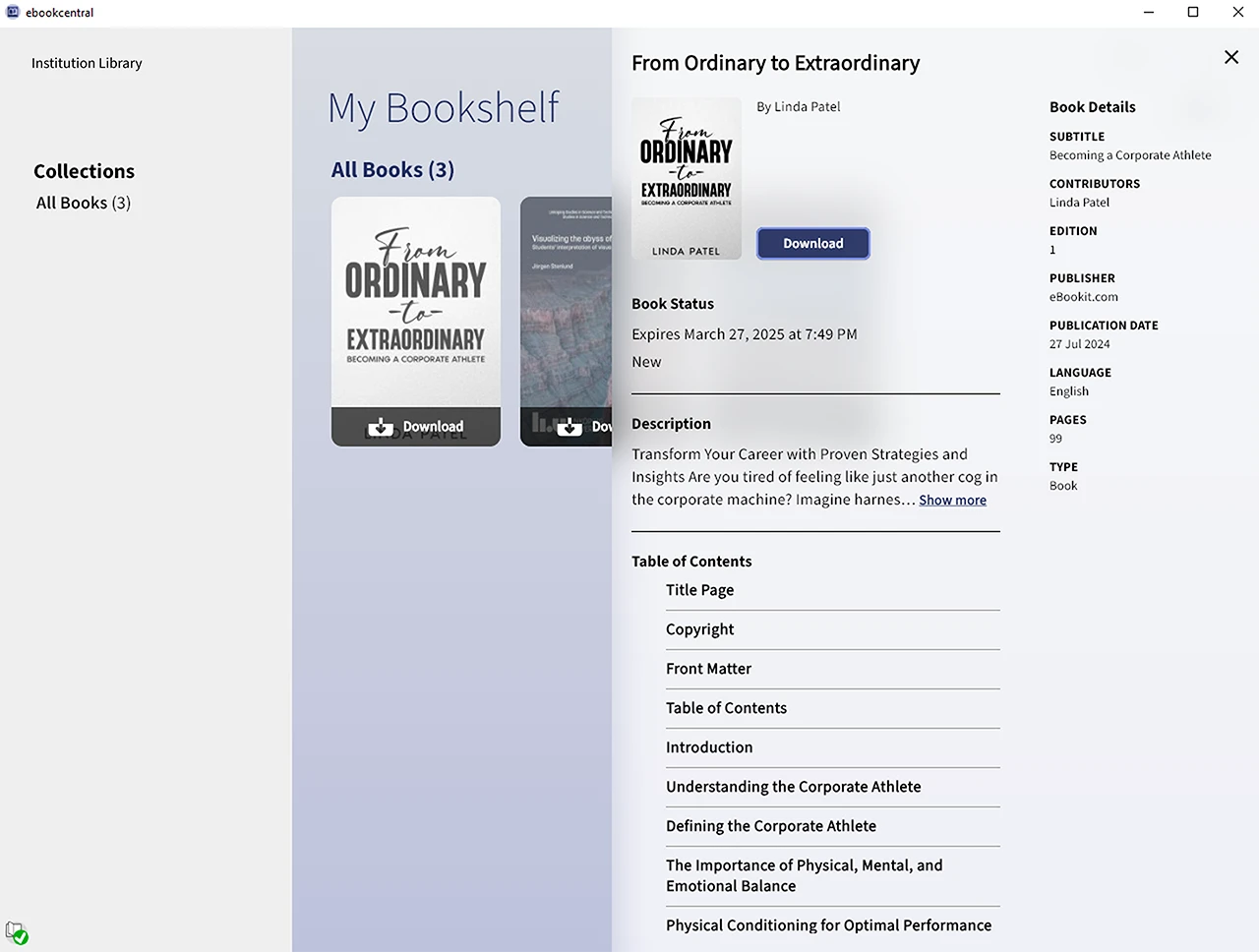
Testing showed that users want the choice to choose a thumbnail view (left), showing the book cover, or a list view showing status about the book loan at a glance (center). The Book Details panel (right) was designed so users could view data about the book directly from the Bookshelf.
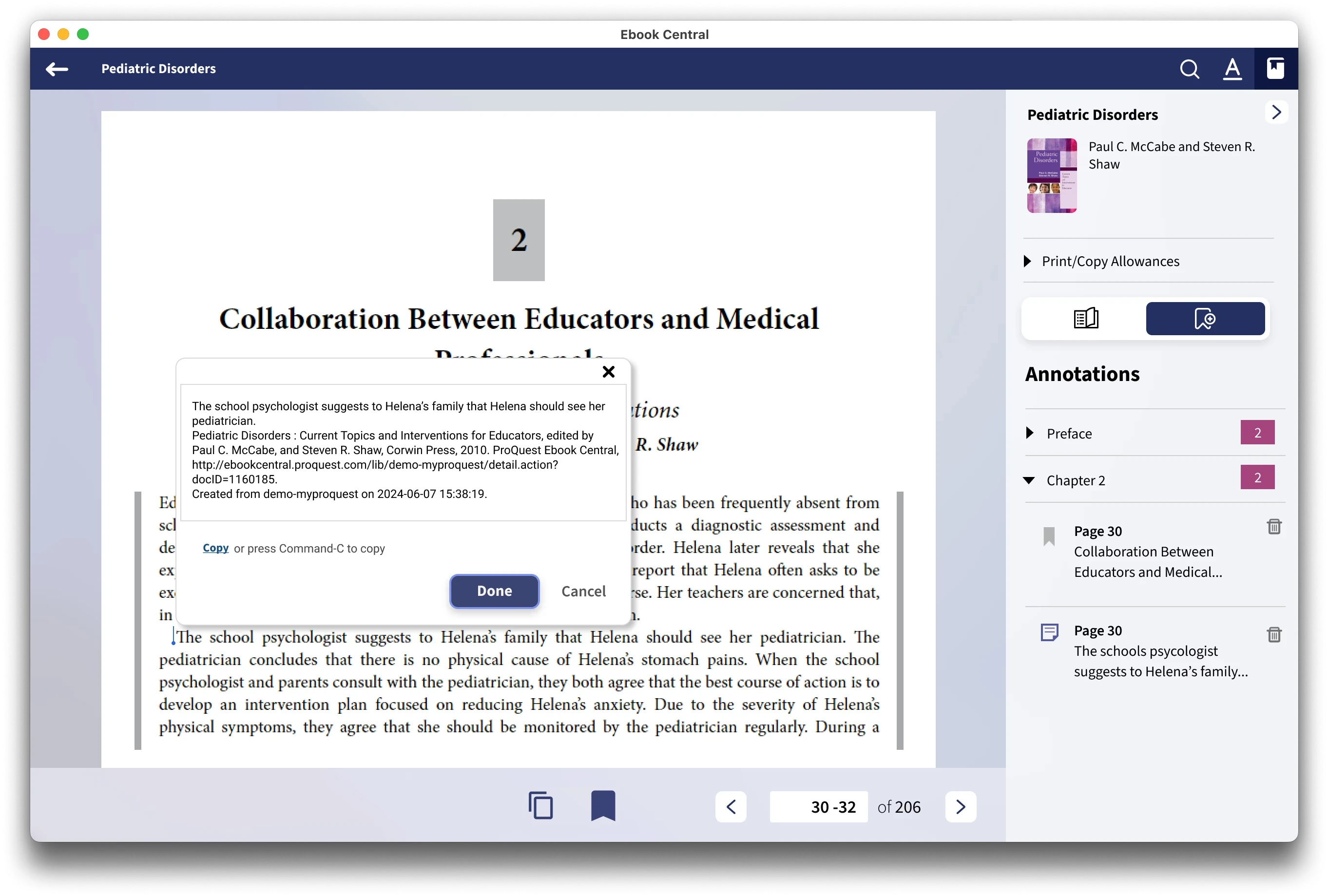


In the reader, features such as citation (left), a comprehensive search tool (center), and note taking were important to include according to test users, and their inclusion tested high during test sessions.
Results
Increased ebook security to reduce piracy
Improved ebook reading integration with Ebook Central web platform
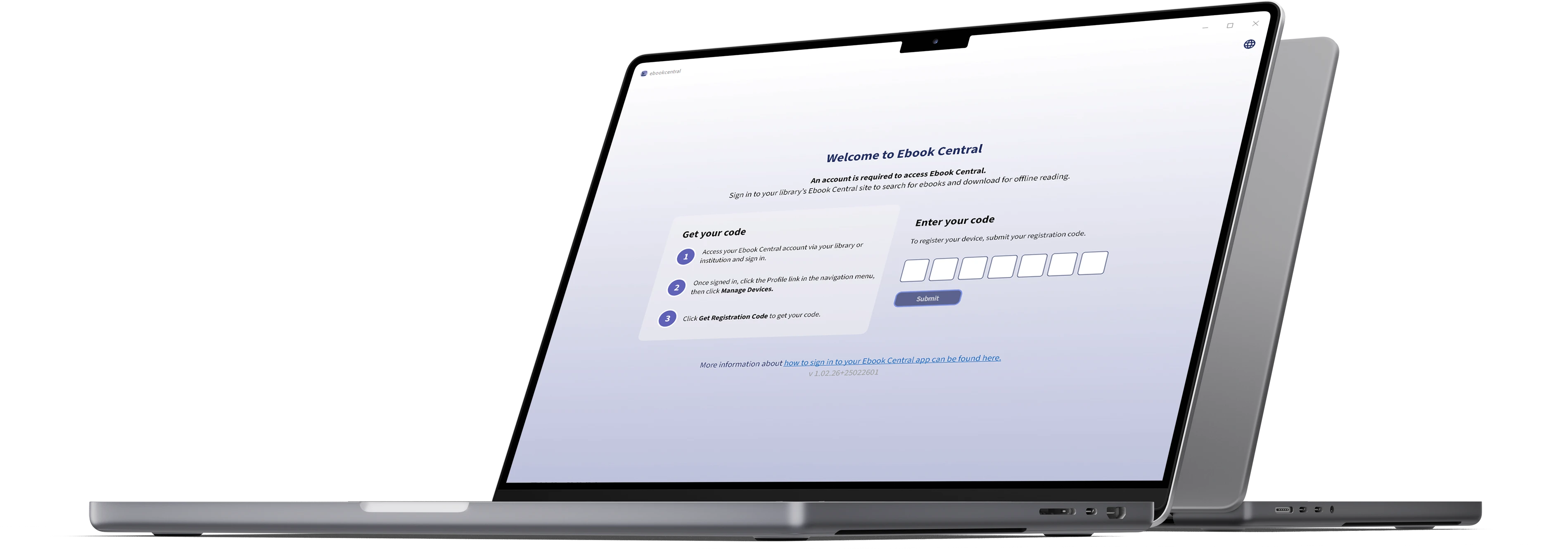
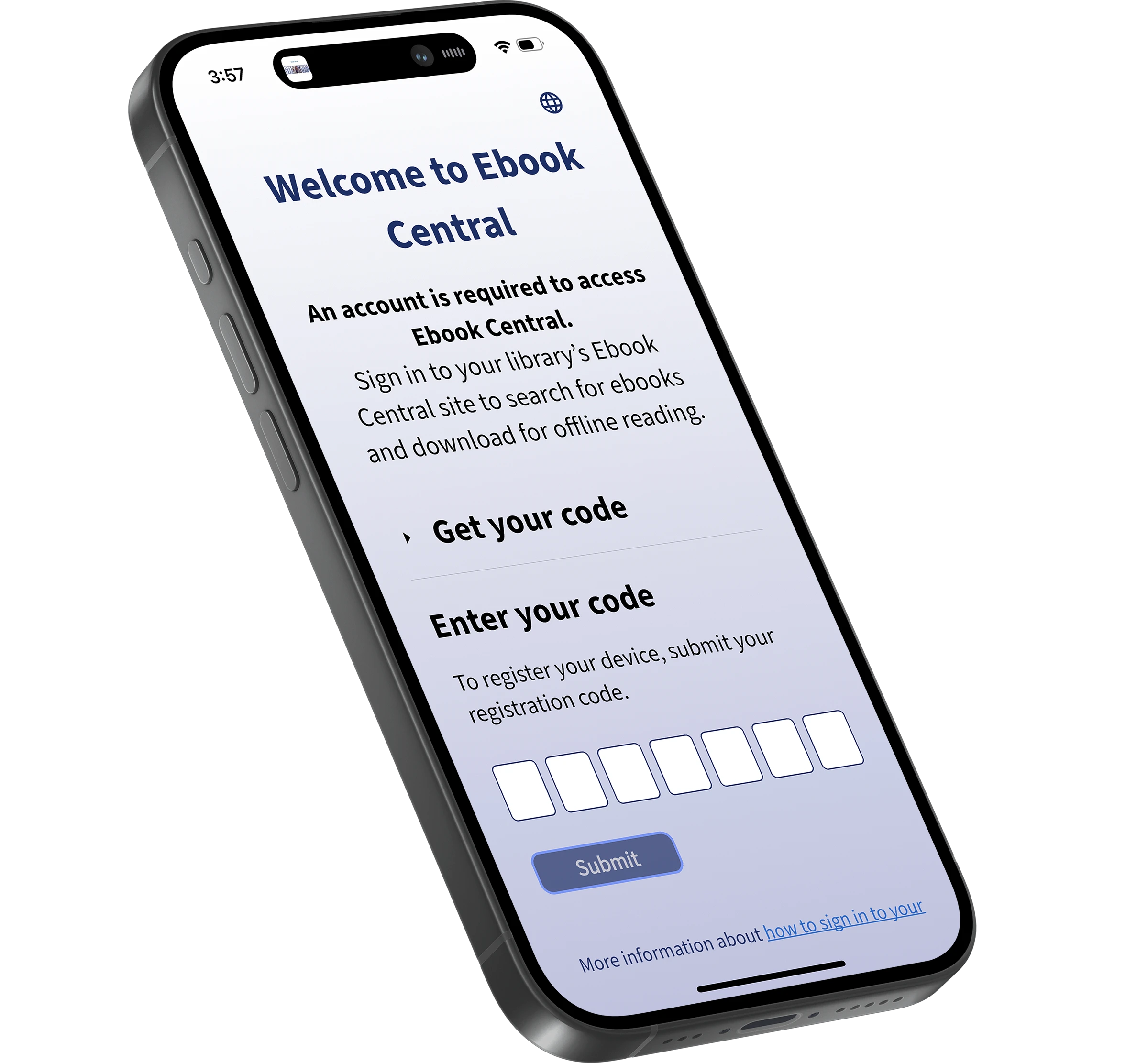
The registration process had to be straightforward while allowing ProQuest to meet its security requirements. Only users who have an Ebook Central account through their institution can register and use the app. Users logged in to their account, generated a code via their user profile, then used that code to register the app.